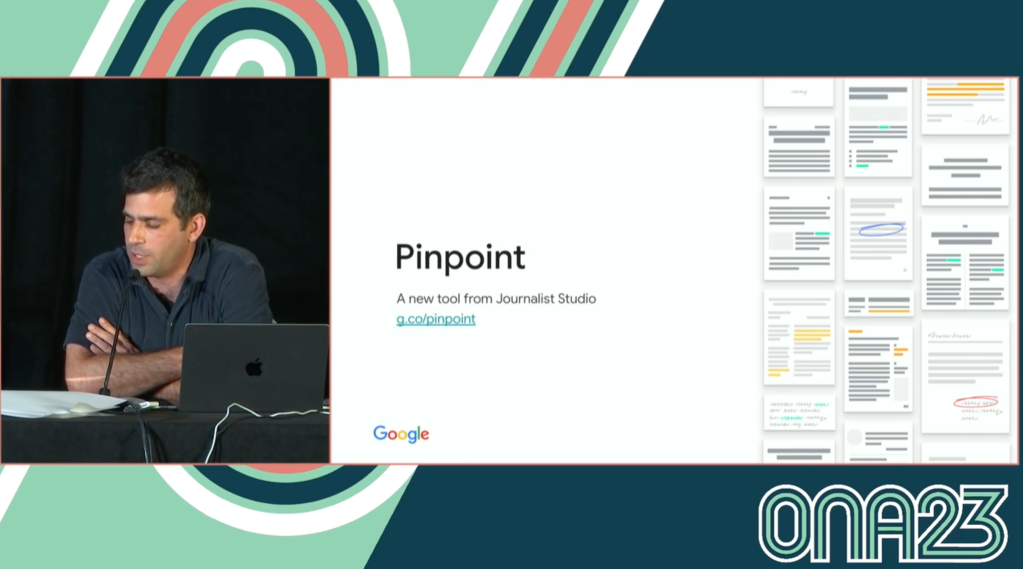

Learn How to Use Google Analytics 4
- Sophie Ho
Switched over to GA4 but still figuring out how to use it to its fullest potential? News Revenue Hub hosted a live walk-through and Q&A session. They covered the new features, differences in metrics compared to Universal Analytics, and demonstrated common questions such as how to find traffic for a story and top referrers. This webinar is designed for beginners and focuses on building a basic understanding of how Google...

A Practical Newsroom Guide to Artificial Intelligence
- Adriana Lacy
- Hank Sims
- Joe Amditis
- Ernest Kung
-
Moderated by Aimee Rinehart
Artificial Intelligence (AI) is rapidly emerging as a disruptive technology worldwide. With the advent of a variety of AI tools like...
Resilience in Combating Misinformation
- Joy Mayer
- Norbert Schwarz
- Gabriella Stern
-
Moderated by Meena Thiruvengadam
Journalists today face disinformation and misinformation challenges as well as the simultaneous eroding of public trust in institutions....

Newsletters as Product and Journalism
- Tess Jeffers
- Robin Kwong
- Leigh Kamping-Carder
Newsletters are undergoing a renaissance in popularity, but managing a newsletter team successfully remains a challenge for news organizations amid competition from independent...

Syndication Without Tears: Best Practices in a Distributed World
- Bernie Davis
- Isaac Teich
- Ian Kennedy
- Emily Brown
In a post-social world, reaching new readers on news platforms is an essential tool for growing audience and revenue. This archived session from ONA22 utilizes real-world...

Clips or It Didn’t Happen — Delivering the News with Viral Video
- Aaron Rupar
-
Moderated by Rakesh Agrawal
Increasingly, members of the public are consuming news by engaging with video clips shared online. Video clips provide visual proof of what is happening and, when shared online,...
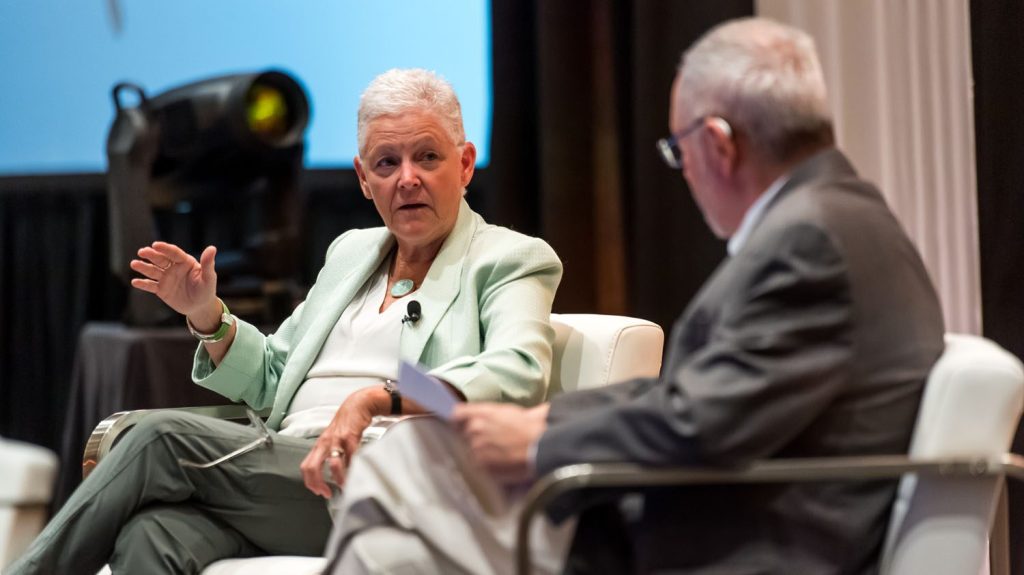
Journalism in the Climate Change Era with Gina McCarthy
- Gina McCarthy
-
Moderated by Mark Schleifstein
Climate change presents enormous public policy challenges worldwide, but in few places are its effects so immediate and acute as the ONA19 host city, New Orleans. Join former EPA...
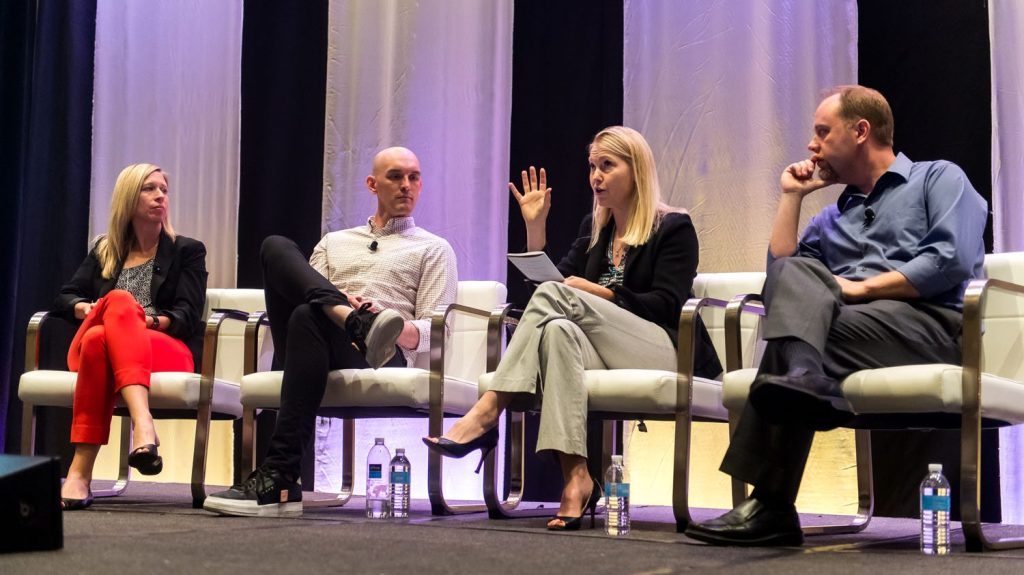
Platform Partnership Roundup for Local News
- Josh Mabry
- Amy Adams Harding
- Gary Roundtree
-
Moderated by Amalie Nash
Major tech platforms have announced partnerships, funding and other opportunities for local news at a dizzying pace over the past year. In this session, we’ll clarify which...
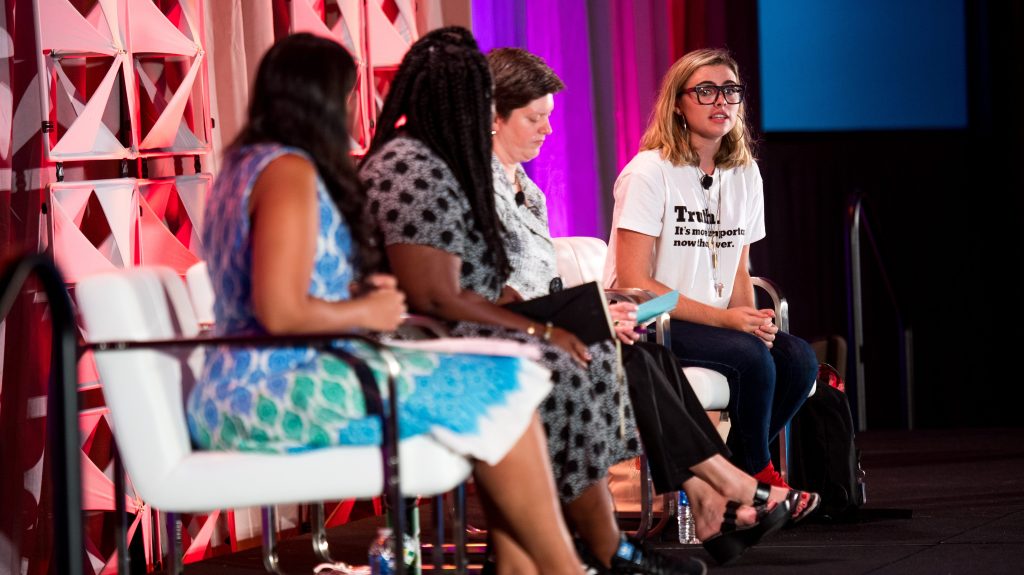
Strategies for Dealing With An Incoherent National Gun Conversation
- Akoto Ofori-Atta
- Lori Shontz
- March for Our Lives
-
Moderated by Versha Sharma
Our national conversation on gun culture is an ever-shifting kaleidoscope touching on suicide, handgun violence and mass shootings. By sharing their perspectives on what we get...

Finding, Mining and Exploiting Data
- Denise Vickers
- Brandon Meyer
- Gavin Off
The archived session from ONA22 covers beginner-friendly tactics to obtain data through mining and creative requests and will offer ideas about how reporters, including those...
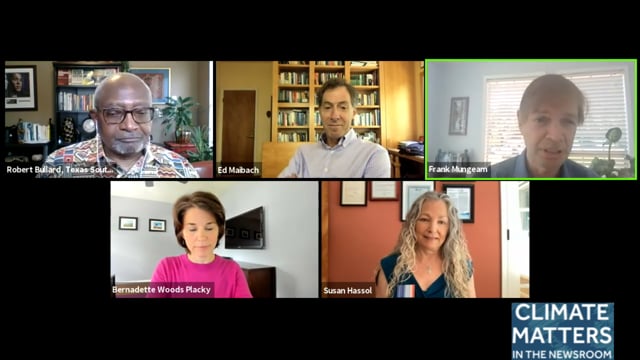
Telling Climate Change Stories That Matter: From Impacts to Solutions
Climate change is the biggest and most under-reported story of our time. It affects our health, safety, and wallets, but most people are unaware of the connections. We discuss...
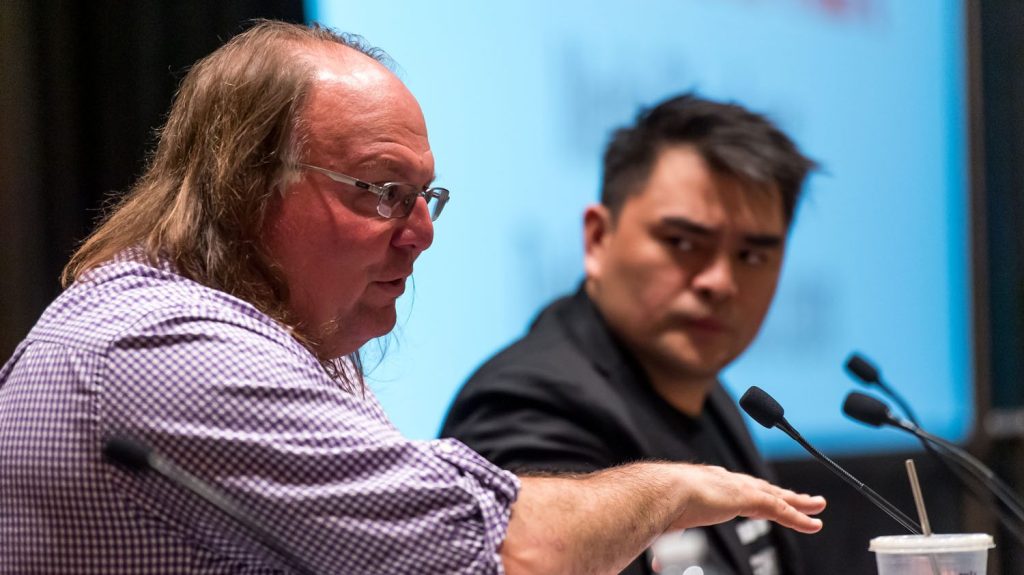
Reporting On Immigration In The Age of Polarization and Misinformation
- Jose Vargas
- Peter Perl
- Ethan Zuckerman
Reporting on immigration with accuracy and empathy has always been difficult, a long-term challenge exacerbated by the mendacity and unpredictability of the Trump-era. Join Define...

Equity in Publishing: Black Publishers Session
- Sara Lomax-Reese
- Garry Pierre-Pierre
- Andrew Ramsammy
- Janis Ware
This archived session from ONA22 discusses the unique challenges that Black publishers face and identify ways to address them. Publishers from a wide array of outlets share their...

Opportunities for Winning Gen Z and Millennial Audiences
- Najja Parker
- Allison Shirk
- Felicia Mello
- Mary Kelli Palka
-
Moderated by Elite Truong
What do news consumers ages 16 to 40 want? The news habits and attitudes of this age group show opportunities for news organizations to expand and diversify their audiences. A...
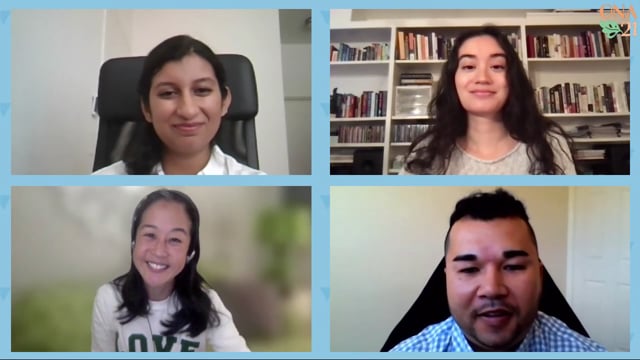
Building a Culture of Inclusion
- Alan Ramos
- Namrata Suri
- Lucy Feldman
-
Moderated by Sue Suh
Leaders at TIME have collaborated with passionate employees to cultivate an organizational culture built upon trust, integrity, inclusion and respect. Hear from Sue Suh,...